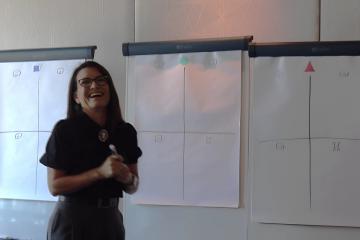
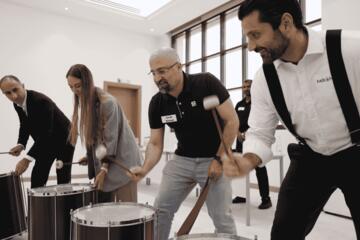
Working together to generate ideas and solve complex problems towards a shared vision.
Collaboration is the process of working together to generate ideas and solve problems together towards a shared vision. In an interdependent organisation, collaboration is the key to creative thinking. Collaboration is important for getting the best result for solving complex problems. For it to be successful it is imperative to identify when and how to collaborate. This comes with practice. So too does understanding who to collaborate with. This requires an understanding and appreciation of the expertise, competence and character of others. Research shows that collaboration is most successful when it involves people with a range of work styles, differing values, as well as, differing values, cultural, education and work backgrounds. These people will bring truly different thinking and as a result a problem will be approached in a multi-faceted way. For collaboration at this level to work effectively, however, trust and mutual respect is imperative.
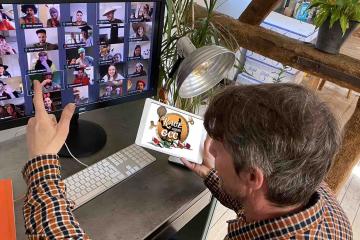
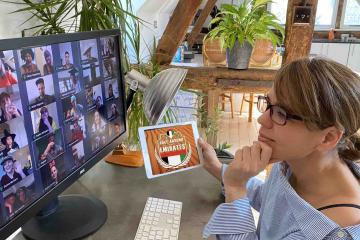
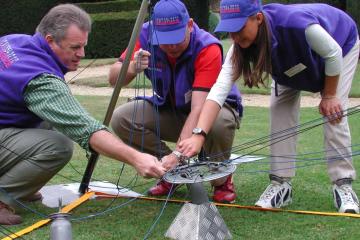
teambuilding activities create an opportune environment for people to learn to collaborate. Experiential learning games simulate collaborative scenarios, where all member of a team are required to contribute in a fun and relaxed situation. As a result, participants attest to reflecting on the teambuilding experience long into the future when they find themselves collaborating in a real life project at work.
Look at this selection of related popular programs. Need help in deciding? Looking for something else?