The unconscious, psychological forces that influence a team's behaviour and performance.
Positive team dynamics are reflective of the environment in which a team works and the nature of the work the team is carrying out. Moreover, personalities within the team and manner in which they relate is critical to team dynamics. For a team to work optimally the way in which each of those people interacts is vital to the success of a team. The type of person someone is, dictates the psychological role they fall into in a team, and the way they interact with others in the team, which ultimately effects the team dynamics. It is no wonder the likes of Google have been known for selecting people based on their personality.
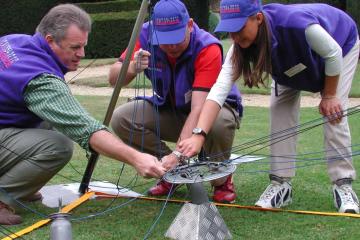
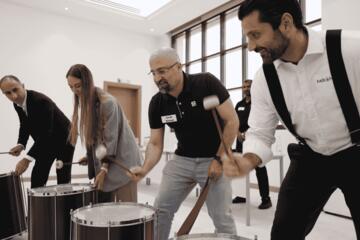
Research shows the importance personalities play in team dynamics and efficiency. Acknowledging the psychological role each person takes and the balance of roles in a team gives an idea of a team's ability to succeed. Profiling plays an important role and there are many options available. Team-building plays a critical role in helping individuals to understand and acknowledge their psychological tendencies in a relaxed and informal situation. Simple ice-breaking games, like Knowing Me Knowing You, encourage people to throw away inhibitions, explore and acknowledge their own preferences and find others that share their likes and dislikes. Fun and engaging teambuilding games like Quickfire which require individuals to select a challenge from different types, such as, active, mental and creative are great for exploring team dynamics. Under time pressure participants must quickly select a challenge they know they have the ability to complete, or pair with 1 or more others to get it done. Individual strengths quickly come to the fore and like-minded individuals gel.
Look at this selection of related popular programs. Need help in deciding? Looking for something else?