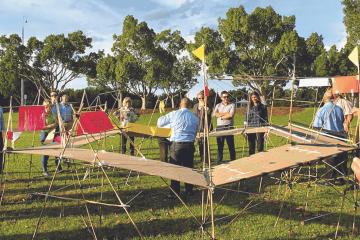
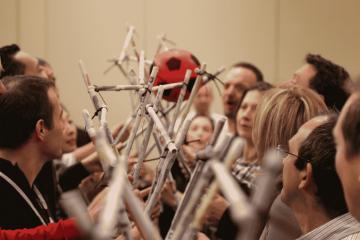
What Is Team Bonding and Why It Matters for High-Performing Teams
Team bonding is the intentional process of bringing people together through shared experiences that strengthen relationships and build trust. In today’s fast-paced and often hybrid workplaces, creating meaningful human connections is essential for team cohesion and performance.
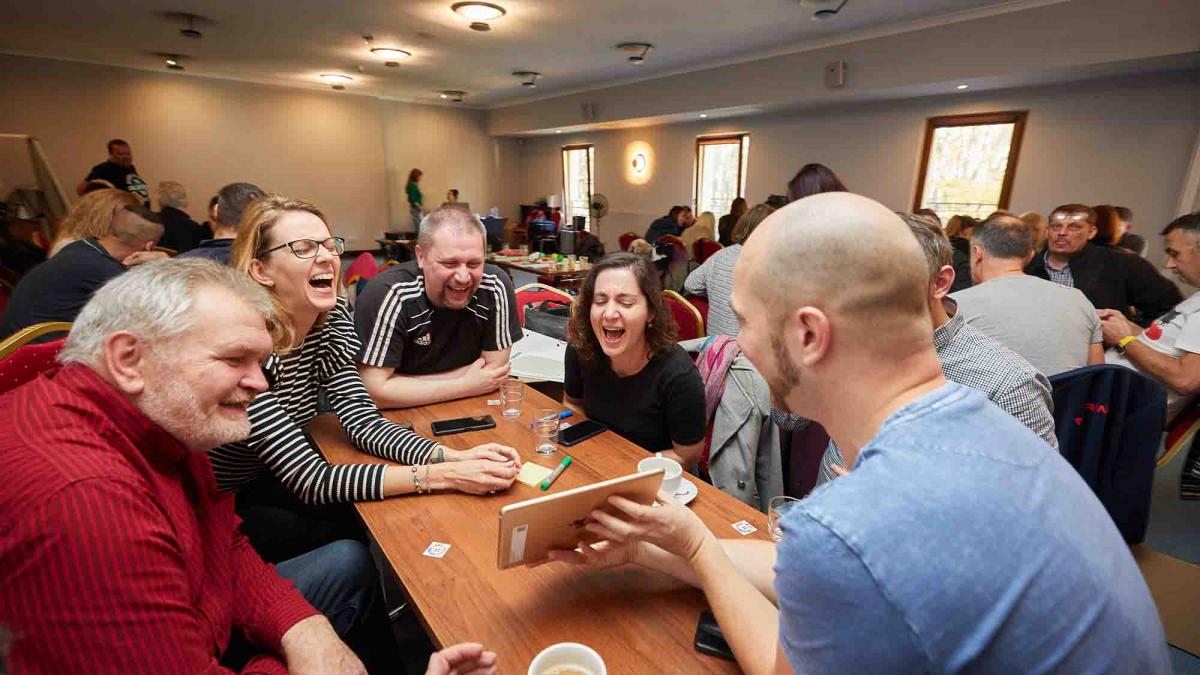
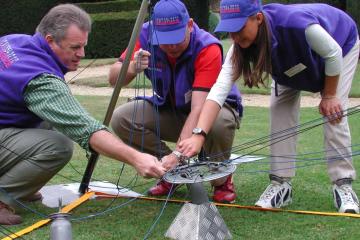
Team bonding activities provide a relaxed, informal environment where individuals can connect beyond their day-to-day roles. Whether through collaborative challenges, social experiences, or light-hearted competition, these moments help break down barriers, improve communication, and foster a genuine sense of belonging.
Research consistently shows that when team members understand and trust one another, they collaborate more effectively, resolve conflicts faster, and contribute more confidently. Even simple interactions that encourage social connection can significantly enhance morale, engagement, and productivity.
The Science and Strategy Behind Effective Team Bonding Experiences
Effective team bonding goes beyond socialising—it is grounded in behavioural science and organisational psychology. High-performing teams are built on psychological safety, trust, and shared identity, all of which can be accelerated through well-designed bonding experiences.
Structured team bonding activities create opportunities for individuals to experience shared success, navigate challenges together, and recognise each other’s strengths in new contexts. These experiences activate key drivers of engagement, including recognition, inclusion, and intrinsic motivation.
From onboarding new employees to integrating cross-functional teams, team bonding plays a critical role in shaping culture. When aligned with organisational goals, these experiences can reinforce company values, improve retention, and support long-term collaboration.
For HR leaders, event planners, and business decision-makers, investing in purposeful team bonding is a strategic lever for building resilient, connected, and high-performing teams.